
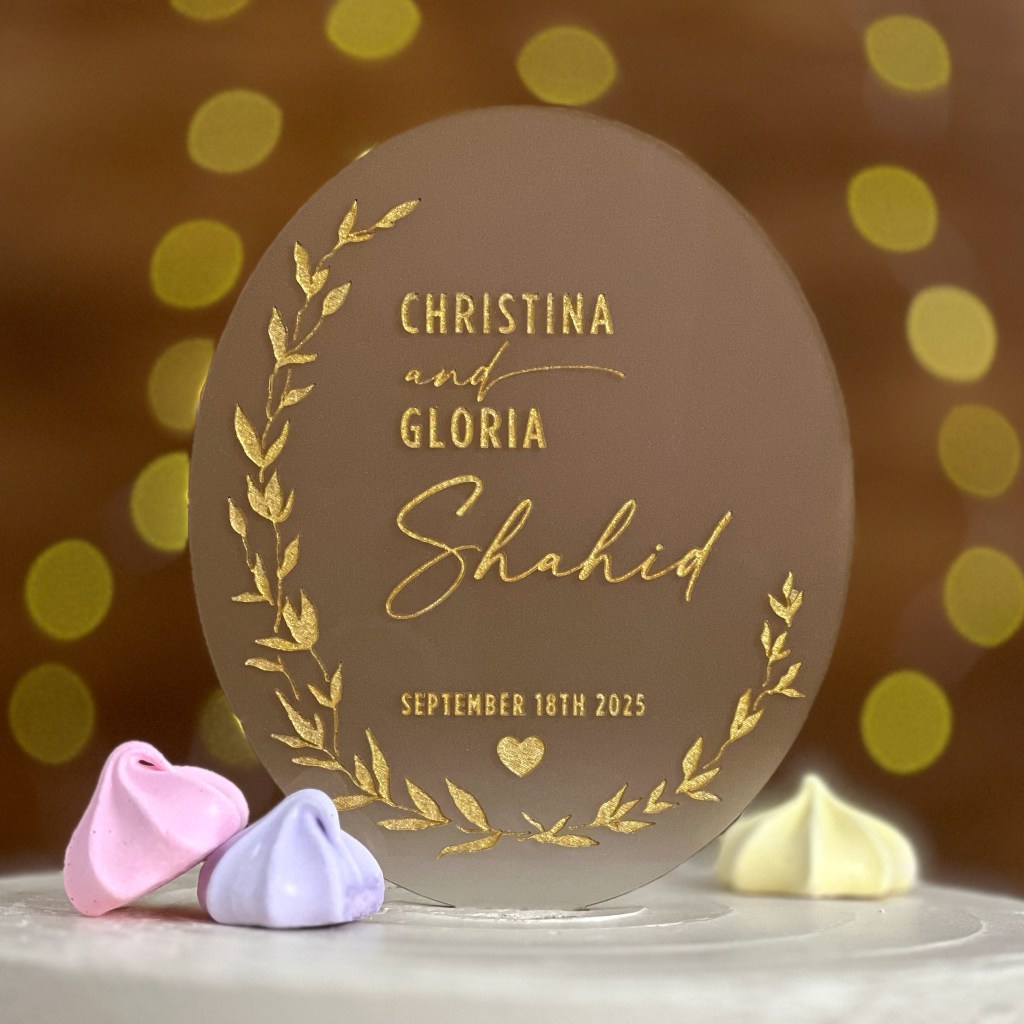
Wedding cake toppers have long been a cherished element of wedding celebrations, symbolizing love, unity, and the unique personalities of the couple. These small yet significant decorations have evolved over time, reflecting the changing styles, trends, and cultural influences of their eras. From their humble beginnings to their modern-day variations, the history of wedding cake toppers is a fascinating journey through time.
Origins of Wedding Cake Toppers
The tradition of adorning wedding cakes dates back to ancient times. Early wedding celebrations featured cakes as symbols of fertility and prosperity. In medieval England, wedding cakes were often elaborate structures, and guests would bring small cakes to create a towering pile. The couple would then attempt to kiss over the pile, symbolizing their unity and future prosperity. While these early cakes did not feature the cake toppers we recognize today, they laid the groundwork for the tradition.
The practice of using figurines on wedding cakes is believed to have started in the late 19th century. Queen Victoria’s wedding in 1840 is often credited with popularizing the white wedding cake, and it is around this time that couples began to place small figurines on top of their cakes. These early toppers were typically made of porcelain or bisque and often depicted a couple in formal attire.
The Evolution of Wedding Cake Toppers
As the 20th century progressed, wedding cake toppers became more varied and personalized. In the early 1900s, toppers remained relatively simple, often featuring traditional representations of the couple. These figurines were usually crafted from materials like porcelain, wax, and celluloid.
The 1920s and 1930s saw a shift in cake topper designs, with a greater emphasis on detailed craftsmanship. Toppers began to feature more intricate details, such as lace accents on the attire or realistic facial features. This period also saw the introduction of more whimsical and humorous toppers, reflecting the lighthearted spirit of the Roaring Twenties.
During the mid-20th century, plastic became a popular material for cake toppers. This allowed for mass production and more affordable options, making cake toppers accessible to a wider range of couples. The 1950s and 1960s were characterized by toppers that mirrored the idealized images of marriage from the time, often featuring smiling, perfectly coiffed couples.
Personalization and Modern Trends
The latter half of the 20th century saw a significant shift towards personalization in wedding cake toppers. As couples sought to make their weddings more unique and reflective of their personalities, toppers began to take on a wide variety of forms. The 1970s and 1980s introduced toppers that showcased hobbies, interests, and even pets, allowing couples to inject a sense of individuality into their wedding cakes.
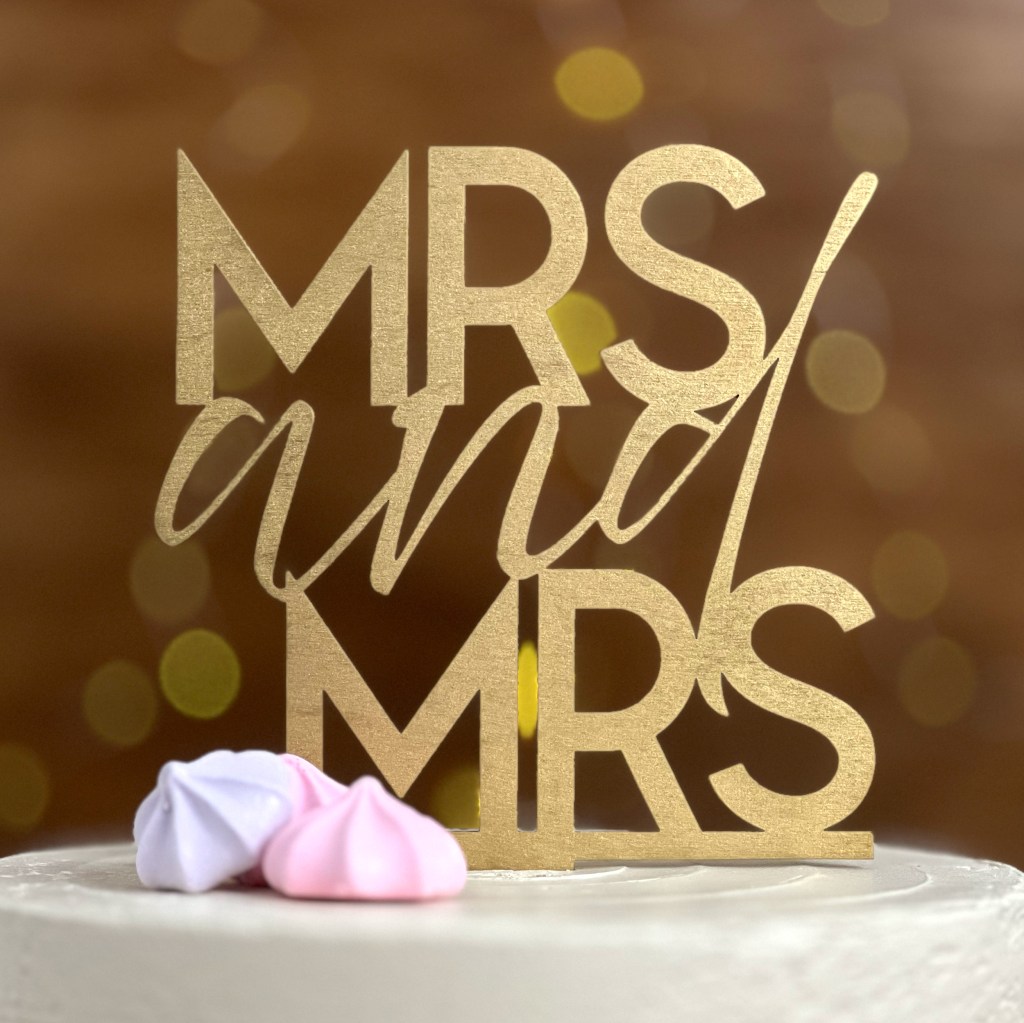
In the 1990s and early 2000s, the trend of personalization continued to grow. Toppers became more diverse, with an increasing number of same-sex couples and multicultural representations. This era also saw the rise of handmade and artisanal toppers, as couples sought to support small businesses and add a bespoke touch to their wedding celebrations.
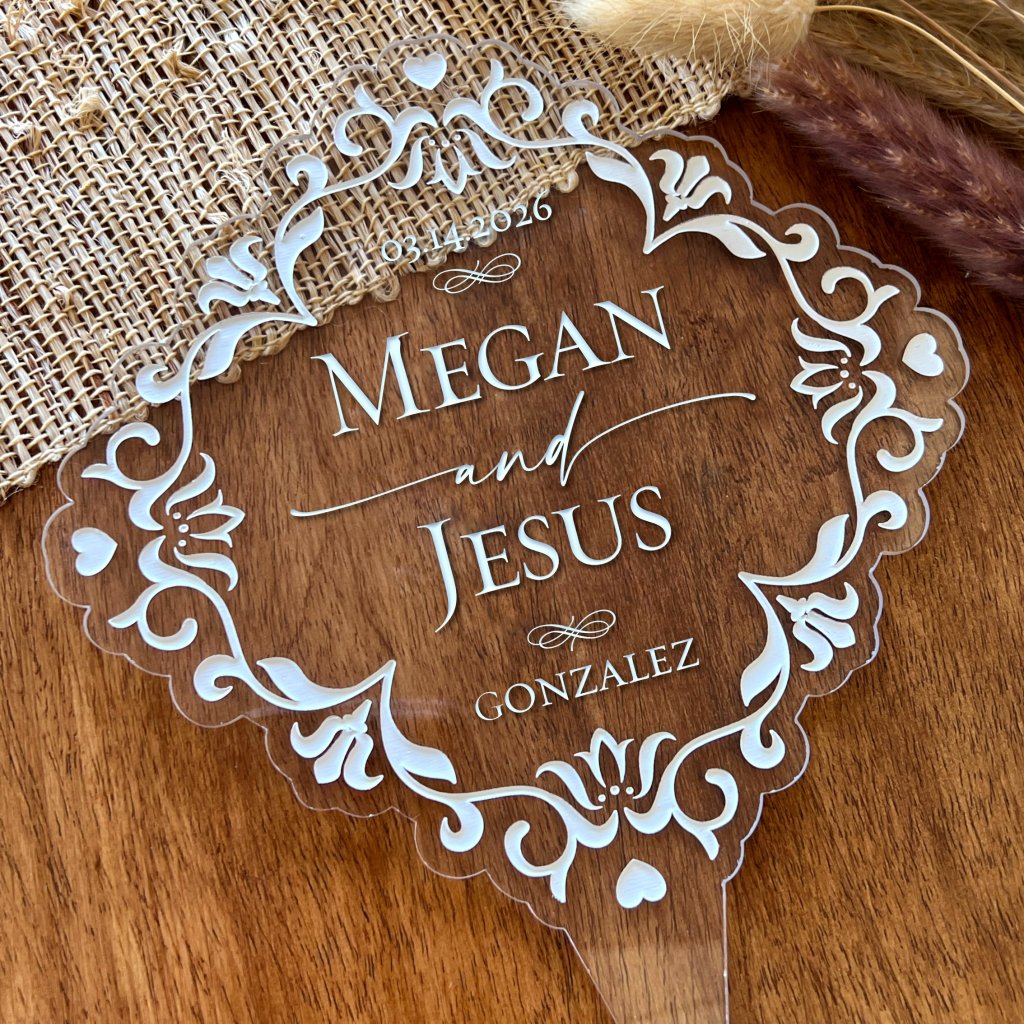
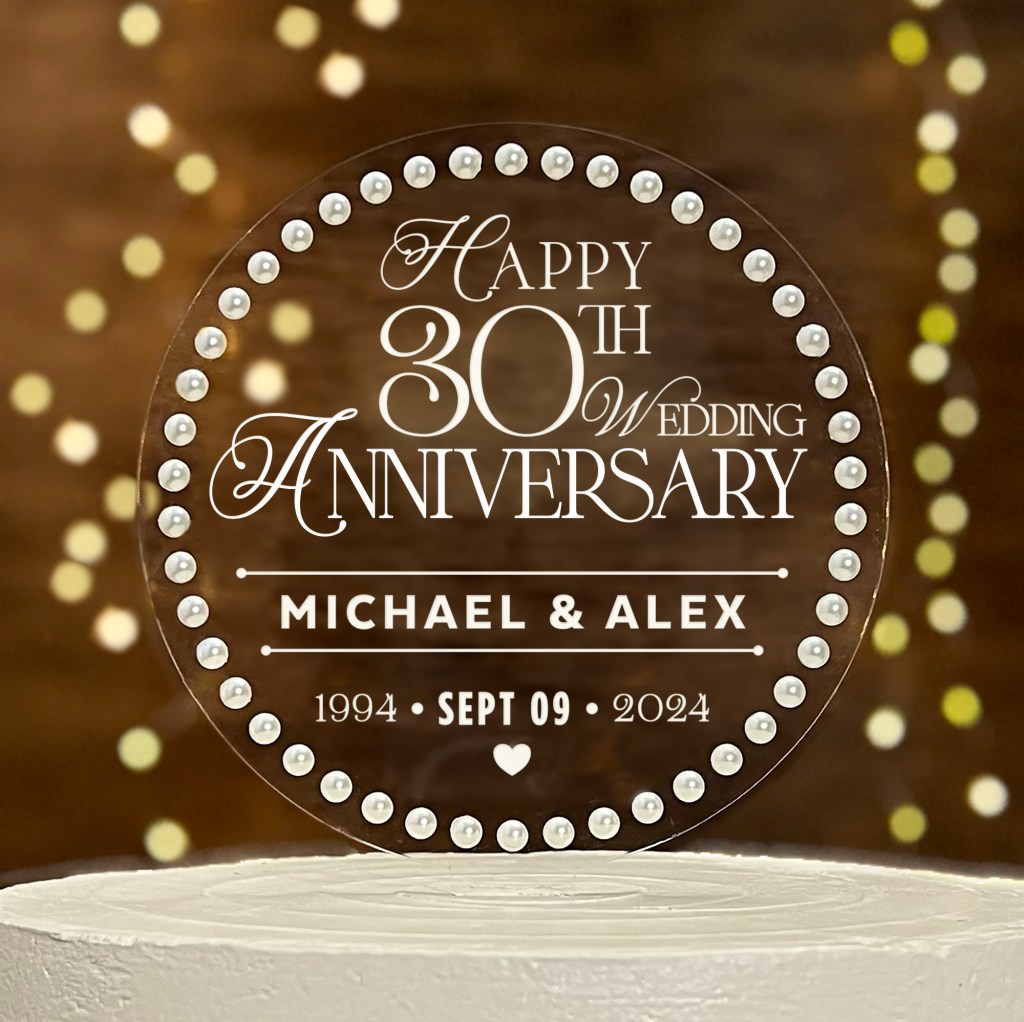
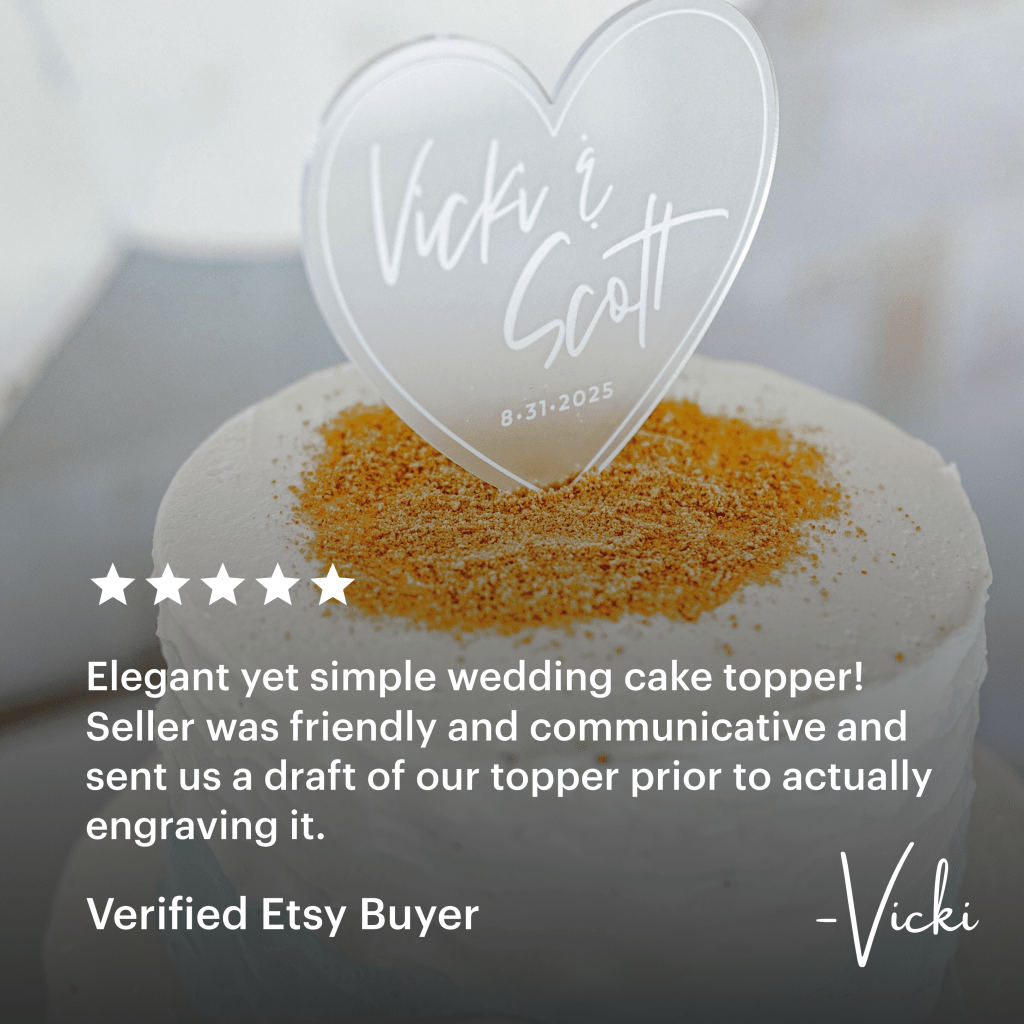
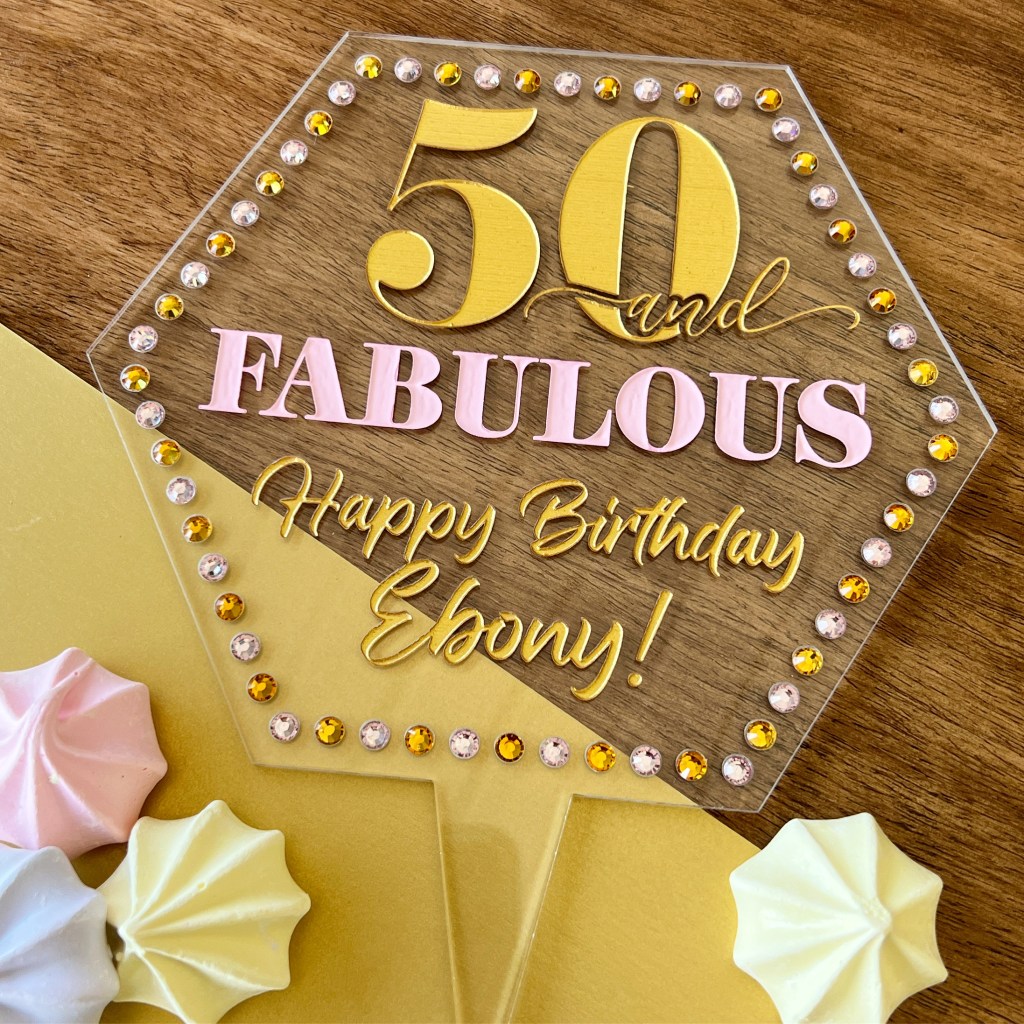
Today, wedding cake toppers showcase an almost limitless array of styles and designs. Artisans create modern toppers from a variety of materials, including wood, acrylic, and even edible fondant. They customize toppers to depict couples in traditional attire, casual outfits, or fantasy costumes. Additionally, toppers can incorporate elements like pets, children, and hobbies, allowing couples to tell their unique love story.
Cultural Variations and Symbolism
The symbolism of wedding cake toppers varies across cultures and regions. Within some cultures, the cake topper is more than just a decoration; it is a meaningful symbol imbued with cultural significance.
In Hispanic cultures, for example, toppers commonly include the traditional “lasso” or “arras” ceremony, where a rosary or lasso binds the couple together to symbolize their unity. In Indian weddings, toppers might feature traditional attire such as sarees and sherwanis, reflecting the couple’s rich cultural heritage.
Looking toward Japan, wedding cake toppers often depict the couple in traditional Shinto wedding attire, emphasizing the importance of cultural traditions and family heritage. Meanwhile, in Western cultures, toppers continue to evolve, incorporating elements of modernity while maintaining the classic symbol of the couple.
The Future of Wedding Cake Toppers
As weddings continue to evolve, so too will the tradition of wedding cake toppers. Advances in technology, such as 3D printing, have opened up new possibilities for creating highly customized and detailed toppers. Couples can now have toppers that are exact replicas of themselves, complete with facial features and outfits that match their wedding attire.
Sustainability is also becoming an important consideration for many couples, leading to an increase in eco-friendly cake topper options. Recycled materials, biodegradable options, and even plantable toppers that can grow into flowers or herbs are becoming popular choices for environmentally conscious couples.
Additionally, the rise of virtual and micro-weddings in recent years has led to a demand for more intimate and personal touches, including cake toppers. As couples continue to prioritize meaningful and personalized elements in their weddings, the tradition of the wedding cake topper is sure to endure.
Conclusion
Wedding cake toppers have come a long way from their early beginnings as simple figurines. Over the years, they have evolved to reflect the changing styles, trends, and values of different eras. Whether traditional or modern, personalized or whimsical, wedding cake toppers remain a cherished symbol of love and commitment for couples on their special day. As we look to the future, it is clear that this beloved tradition will continue to adapt and flourish, celebrating the unique stories and personalities of couples around the world.
You can also find us on ETSY here »

 Taylor Street Favors